What is the premise of the Fragments Collection?
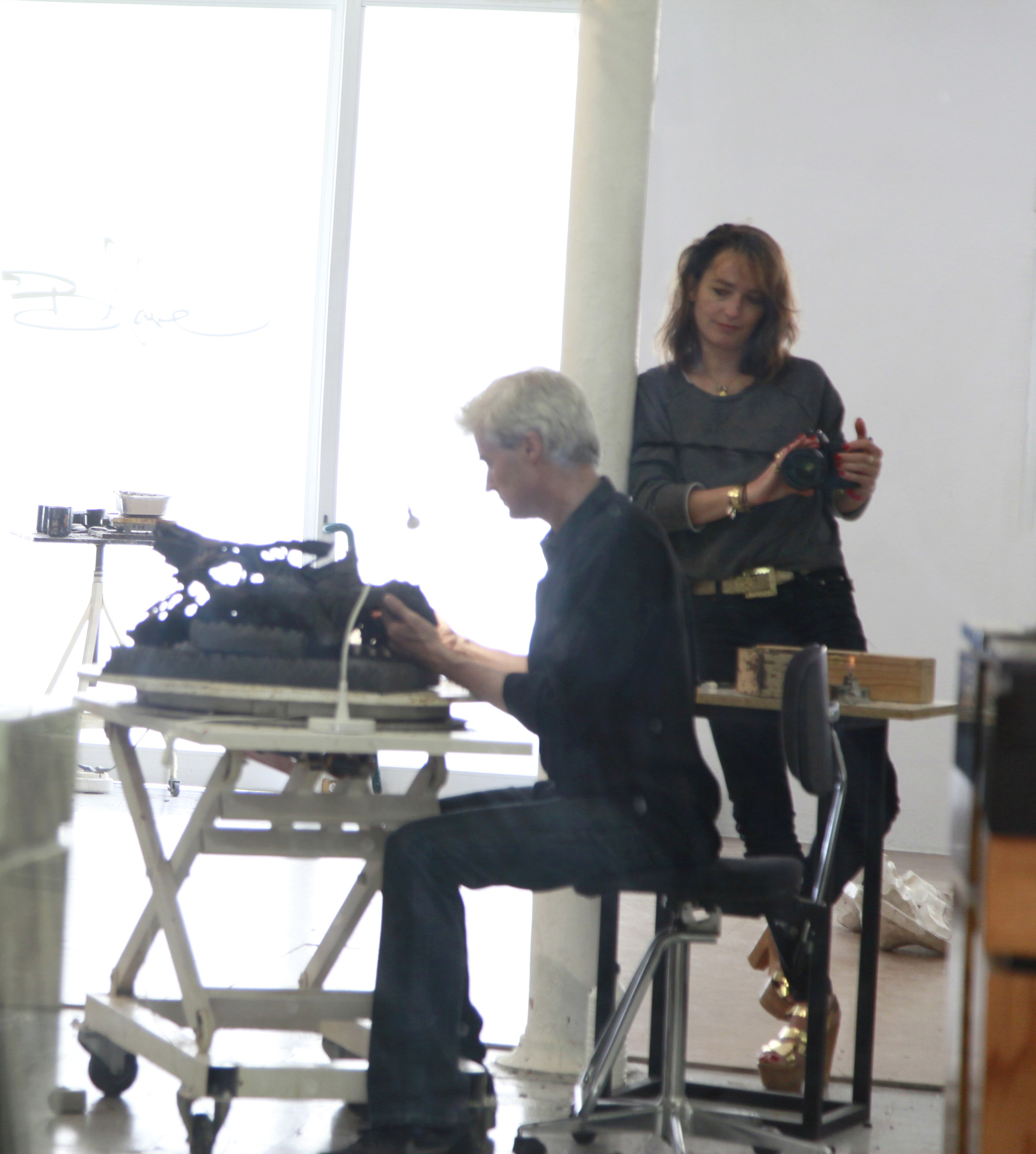
For more than a decade I had given myself to the whole figure — to the canons of classical realism, to idealised beauty, to proportion inherited from the ateliers of Paris. Fragments is where I broke with that. It took shape after my time in Vietnam, teaching at the University of Hanoi, where I came to understand what landmines do to a body and to a life long after the war that laid them is over. I returned to the studio and, for the first time, changed my relationship to the human form. I began to de-sculpt it.
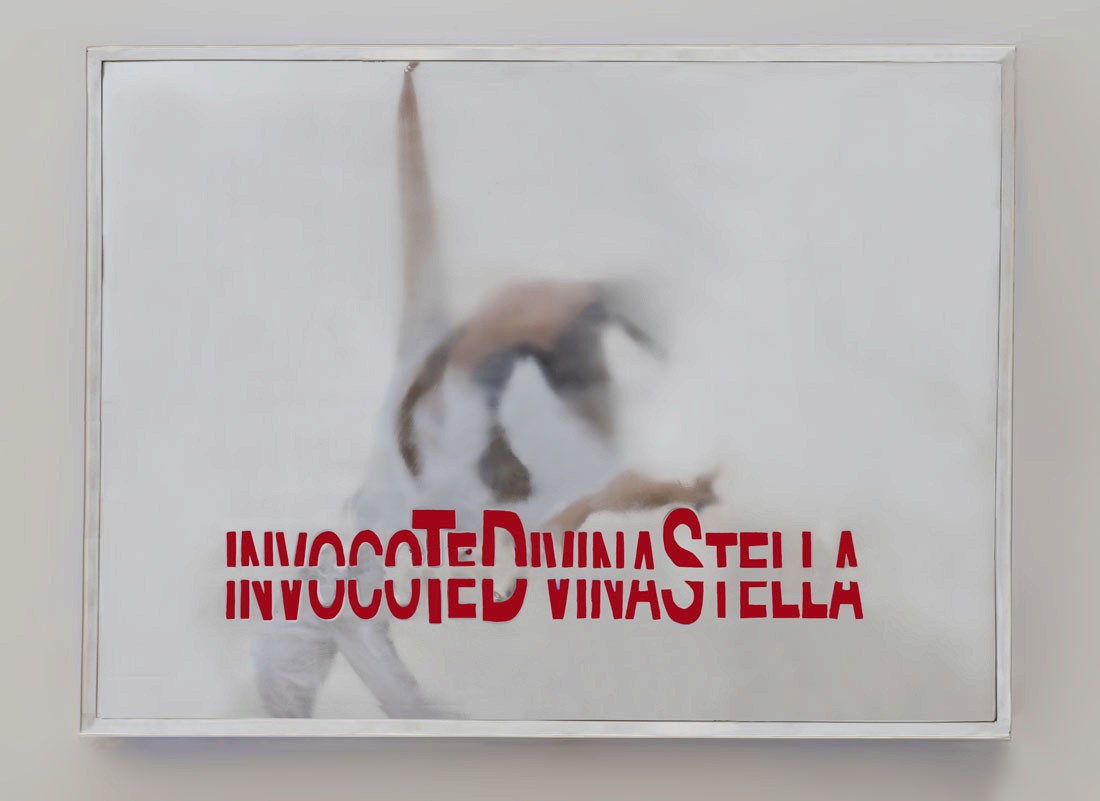
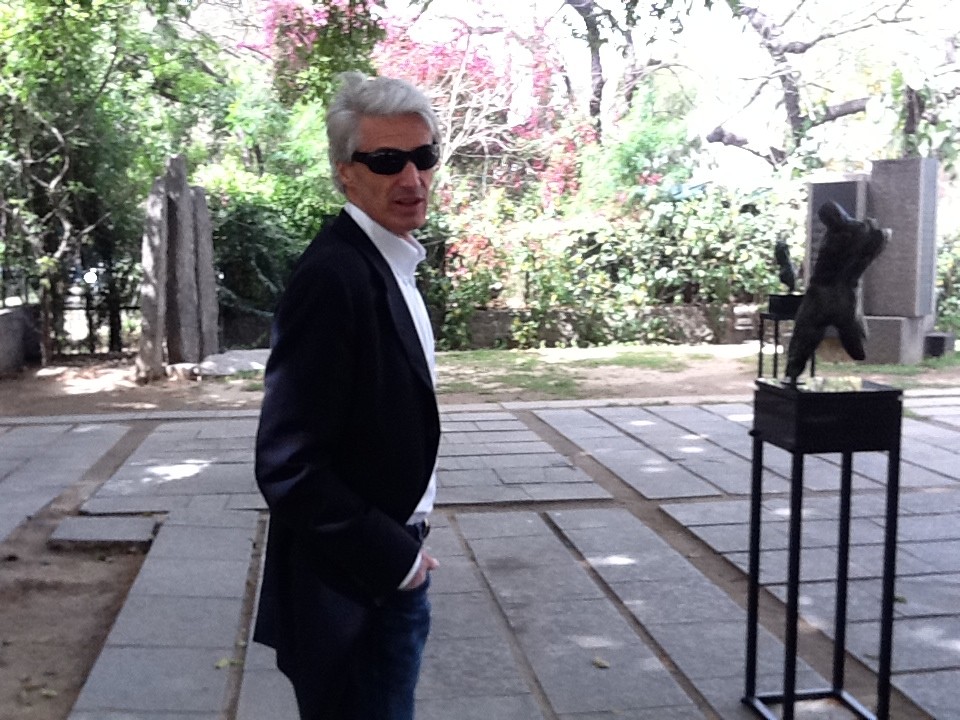
I call these works the Partial Figures. I take the classical torso — still beautiful, still true to its anatomy — and leave it incomplete: an arm gone, a head absent, the surface scarred and scored. What remains is deliberately unfinished, so that beauty is given another voice, one that speaks as much through what is missing as through what still stands. These are not ruins. They are survivors.
Each sculpture carries the name of the weapon that maimed the person it stands for — GEMSS, Claymore, Pineapple Cluster, POMZ, Butterfly, Hades. I want the label to read like an inventory of ordnance, because these absences are not the accidents of time we forgive in a broken antique. They are the deliberate arithmetic of war, and the scratches and missing limbs are the permanent scars the survivors carry, fixed now in bronze. There is a paradox at the centre of the work and I mean it to be there: a body can be mutilated and still be beautiful; a beautiful thing can hold a tragedy. That tension is the whole point — the fragile persistence of grace after so much has been taken away.
Proceeds
Fragments was never meant to end at the gallery wall. From the beginning it has been activist work, and the proceeds from the sale of the sculptures go toward clearing the ground of what was buried in it — funding mine clearance, mine-risk education, and support for survivors in the countries that live with this legacy every day: Vietnam, Kosovo, Cambodia, Afghanistan, and Angola. I have carried this out in association with No More Landmines, Adopt-A-Minefield of the United Nations, The Landmine Relief Fund in the United States, and Cambodian Self Help Demining.
Over the life of the collection, these works have raised more than a quarter of a million dollars for landmine education, removal, and support — helping to clear cluster munitions in Kosovo and landmines in Cambodia, and to fund mine-risk education in Afghanistan. When one of these figures finds a home, a small part of the real ground is made safe again. That is the exchange I care about most.
Events :
Fragments has travelled as a touring exhibition across three continents, carried as much by the activists working to clear minefields as by the art world. The international tour ran from Canterbury Cathedral in London in 2007 through to Delhi, India in 2012, where the figures became symbols of hope for those campaigning to rid the land of mines. In 2016 the collection was shown as Fragments: Art and the Explosive Remnants of War, a solo exhibition presented by the Sculptors Society of Canada at the Canadian Sculpture Centre in Toronto, its quarter-life-size bronzes turning a gallery into a reckoning with the civilian cost of war. Across its years the work has reached audiences in North America, Europe, and Asia — each showing another chance to put the question the collection exists to ask.